Engagingly written — all the guides from this stable are first class
— Traveller
Sorry, we don't have a page called
"books/main.html/excerpt/46/164"
Try searching the site with the form below, or browse using the links on the left.
Engagingly written — all the guides from this stable are first class
— Traveller
"books/main.html/excerpt/46/164"
Try searching the site with the form below, or browse using the links on the left.

Offa's Dyke Path: Chepstow to Prestatyn & Prestatyn to Chepstow
IN STOCK NOW

Hadrian's Wall Path
JUST ARRIVED

The Ridgeway: Avebury to Ivinghoe Beacon
IN STOCK NOW

North Downs Way: Farnham to Dover
IN STOCK NOW

London to Walsingham Camino
IN STOCK NOW

Cotswold Way: Chipping Campden to Bath
IN STOCK NOW

Iceland Hiking - with Reykjavik
IN STOCK NOW

Exmoor & North Devon Coast Path (South-West Coast Path Part 1)
IN STOCK NOW

Dorset & South Devon Coast Path (South-West Coast Path Part 3)
IN STOCK NOW

Great Glen Way: Fort William to Inverness
IN STOCK NOW

Norfolk Coast Path & Peddars Way
IN STOCK NOW

Dales Way: Ilkley to Bowness-on-Windermere
IN STOCK NOW

Adventure Motorcycling Handbook
IN STOCK NOW

Pennine Way: Edale to Kirk Yetholm
IN STOCK NOW

Thames Path: Thames Head to Woolwich (London)
IN STOCK NOW

Peru's Cordilleras Blanca & Huayhuash - The Hiking & Biking Guide
IN STOCK NOW

Cornwall Coast Path (South-West Coast Path Part 2)
IN STOCK NOW

Pilgrim Pathways - 1-2 day walks on Britain's ancient sacred ways
IN STOCK NOW

Kilimanjaro - The trekking guide to Africa's highest mountain
NEW EDITION

Coast to Coast Path: St Bees to Robin Hood's Bay
IN STOCK NOW

Following Miss Bell - Travels Around Turkey in the Footsteps of Gertrude Bell
IN STOCK NOW

Tour du Mont Blanc
IN STOCK NOW

Nepal Trekking and The Great Himalaya Trail
IN STOCK NOW

Trans-Siberian Handbook
IN STOCK NOW

Trekking in the Everest Region
IN STOCK NOW
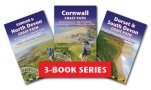
South-West Coast Path Books 1-3
SPECIAL OFFER!


Latest tweets